 +91 8309329496

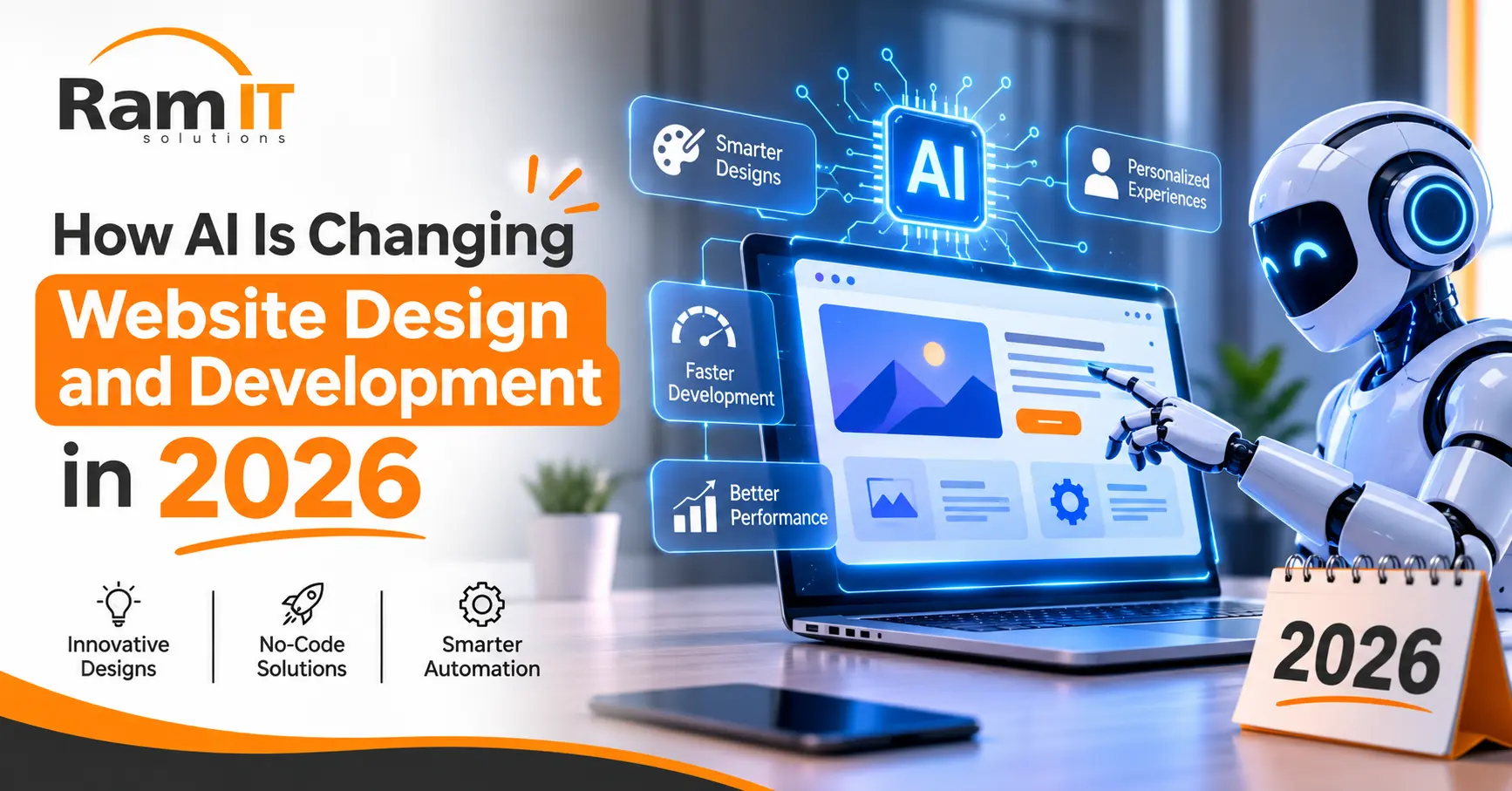
Website design looked very different two years ago. A new site meant weeks of wireframes, mockups and manual coding. In 2026, many of those steps can start with a written prompt, and a first draft of a homepage appears in minutes. That speed is useful, but it also raises fair questions about quality, ownership and the role of designers and developers. This guide explains what AI can do now, where it still falls short and how businesses should approach it.
Where AI Is Used in Website Design Now
Prompt-based site generation
Platforms such as Wix, Webflow, Framer, Hostinger and Figma Make can create a multi-page site from a plain-language description. You state the business type, tone and pages you need, and the tool returns a layout with sample copy and images. Most of them let you keep editing in a visual editor afterwards, which matters because the first result is rarely final.
AI wireframes and sitemaps
Planning used to be slow. Tools like Relume turn a short prompt about a company into a sitemap and wireframes, which designers then export to Figma or Webflow. This saves time on structure, so the team can spend more of it on brand, user flow and content.
Design to code
Handoff between designers and developers has long caused delays. Newer tools convert design files into responsive layouts with working code, and some publish the page directly. Developers still check the output, but they start from a structured base instead of a blank file.
Content, images and translation
AI drafts headlines, product descriptions and alt text, creates image variations and translates pages into several languages. An editor must still review this material, because generated text can sound generic or contain mistakes.
Coding assistants and vibe coding
Developers use AI assistants to write components, fix bugs and explain unfamiliar code. Vibe coding tools such as Lovable and Bolt.new go a step further and build working apps from a description. They are handy for prototypes, but a production site needs proper review before launch.
AI agents inside editors
A bigger change this year is the rise of agentic tools. Instead of only generating a block of text or code, these assistants work inside the editor, adjusting styles, adding sections or fixing issues on instruction. Wix’s Aria is one example of this kind of assistant, and other builders are moving in the same direction, which will make routine edits even quicker.
How the Roles of Designers and Developers Are Changing
Routine work is shrinking. Resizing layouts for mobile, writing boilerplate code and building standard sections now take far less time than before. Human skill moves toward judgment: choosing a visual direction, understanding what customers need, writing honest copy, structuring a site for search and making sure the final product loads fast and works for everyone.
Designers who understand user behaviour and developers who can review and secure generated code are becoming more valuable, not less. The tool can produce a draft quickly, but someone still has to decide whether the draft is right for the business.
What AI Means for Website Design Costs and Timelines
The biggest visible change is speed. Early stages such as research, structure and first drafts take hours instead of days, so projects can reach the review stage sooner. Small businesses benefit most, since a simple site that once needed a long build can now be launched faster and at a lower starting cost.
Savings do not apply equally everywhere, though. Custom features, integrations, brand identity and quality checks still need skilled hours. A faster first draft does not remove the work of making a site accurate, secure and effective.
Trends to Watch in 2026
- Personalised experiences. Sites can adjust headlines, offers or product suggestions based on visitor behaviour, as long as privacy rules are followed.
- Search is changing. AI-generated answers now appear in search results, so clear structure, useful content and accurate business details matter more than ever.
- Conversational interfaces. Chat assistants on websites answer common questions and guide visitors to the right page or form.
- Automated accessibility checks. Tools flag missing alt text and contrast problems early, though a human check is still necessary.
Limits of AI in Website Design
AI output has weak spots that every business should know about before relying on it.
- Generic results. Many generated sites look alike because the tools draw on similar patterns. A site that looks like everyone else’s does little for brand recall.
- Weak SEO. Generated pages often lack keyword research, search intent and a proper heading structure. Thin or duplicate content can hurt rankings.
- Accessibility gaps. Colour contrast, keyboard navigation and screen reader support still need manual testing.
- Code quality and security. Generated code can include outdated libraries or unsafe patterns, so it needs a developer’s review.
- Slow pages. Heavy animations and large images affect loading speed, which matters for both visitors and search visibility.
- Privacy and ownership. Check where your data goes, who owns the output and whether you can export the site if you change platforms later.
How Businesses Can Use AI the Right Way
Treat AI as a fast assistant for first drafts, not as the final decision maker. A practical workflow looks like this:
- Define your goals, audience and the action you want visitors to take.
- Use AI to prepare a sitemap, rough wireframes and draft copy.
- Ask a designer to refine the visual identity so the site reflects your brand.
- Have a developer review the code, security and page speed.
- Edit all copy for accuracy, tone and search intent.
- Test on mobile, check accessibility and measure Core Web Vitals.
- Keep improving the site using real analytics and customer feedback.
Local context matters as well. A Hyderabad business should show its real address, genuine customer reviews and region-specific language, details that a generic generator cannot invent.
Conclusion
AI has made the early stages of website design faster and cheaper, and 2026 shows that this shift is here to stay. The best results come from combining quick AI drafts with human judgment on design, code, content and search. At Ramit Solutions, our team uses modern tools where they save time and relies on experienced designers and developers to make sure each site is fast, accessible and built to bring in customers. If you want a site that goes beyond a template, explore our Website Design Services in Hyderabad and tell us about your project.
Frequently Asked Questions
Will AI replace web designers?
Not completely. AI handles repetitive tasks well, but strategy, brand thinking, client communication and quality control still need people.
Is an AI-built website good for SEO?
It can be, once it has been reviewed and improved. Keyword research, original content, clean structure and fast loading must be added by someone who understands search.
Can I publish AI-generated content without changes?
It is better not to. Check facts, add real examples from your business and rewrite anything that sounds generic, so the content stays accurate and useful for readers.